Structure, not just nutrients
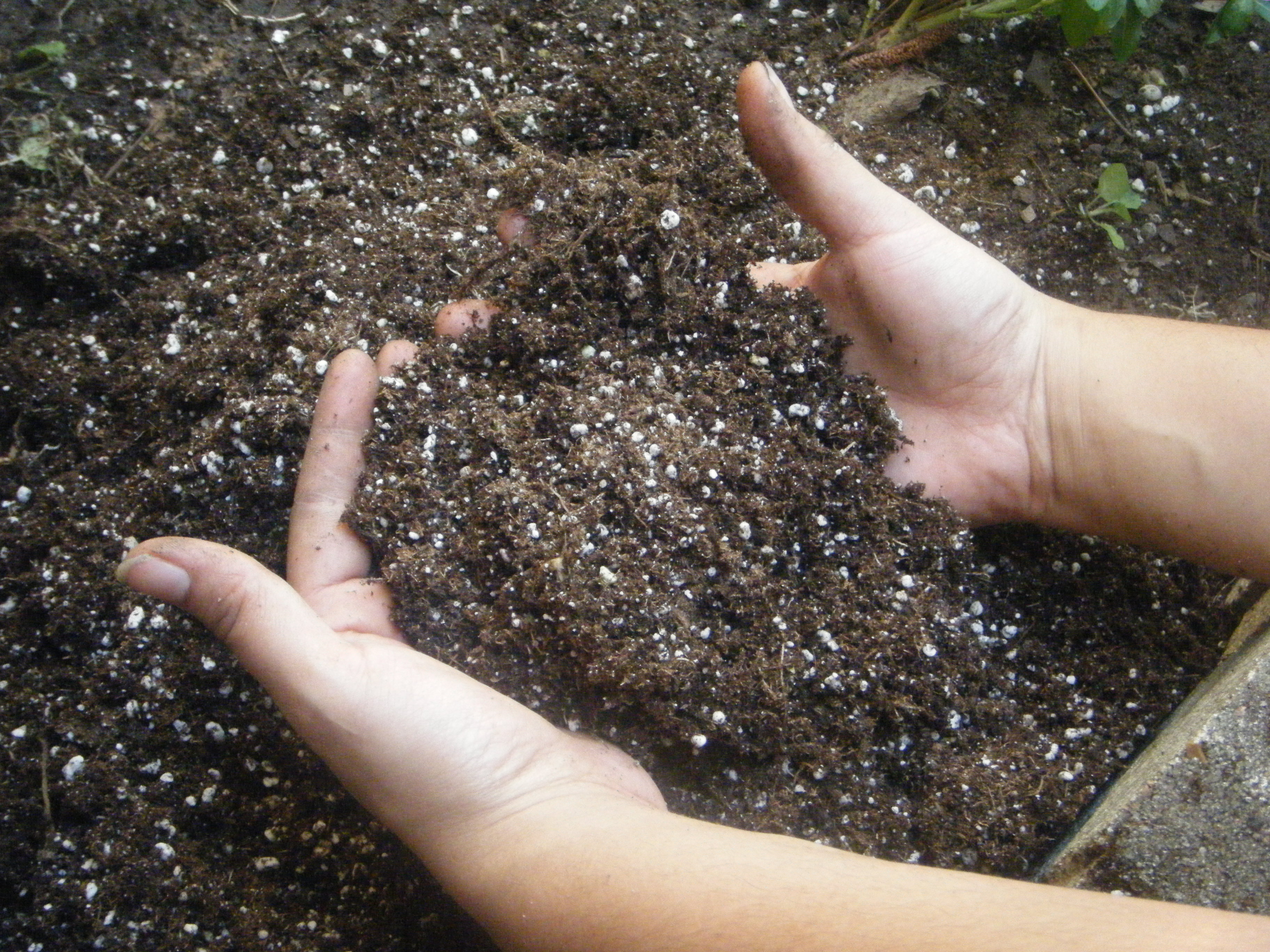
Finished compost does contain plant nutrients, but its most useful contribution is physical. Added to soil, decomposed organic matter binds fine particles into crumbs, opens up pore space, and supports the soil life that keeps that structure stable. The result is ground that drains and breathes better while still holding moisture where roots can reach it.
The same compost, different effect
What compost does depends on the soil it meets:
| Starting soil | Common problem | What compost helps with |
|---|---|---|
| Heavy clay | Dense, slow to drain, hard when dry | Loosens and aerates, easing drainage and root growth |
| Sandy | Drains too fast, dries out | Improves water and nutrient retention |
| Compacted | Little pore space for air and roots | Rebuilds crumb structure over repeated applications |
These are exactly the conditions many Canadian gardeners face: compacted prairie soils, acidic coastal soils on parts of the BC coast, and the dense clay common around cities such as Toronto and Ottawa. In each case, regular compost is one of the most durable long-term improvements available.
Structure builds over seasons, not in a single dig. Repeated, modest additions do more than one heavy application.
Fall application and freeze–thaw
In cold regions, autumn is often the most practical time to apply finished compost. Spread over beds and lightly worked into the top layer, it integrates with the soil over winter. The freeze–thaw cycles that define a Canadian winter expand and contract the soil repeatedly, helping break clods apart and leaving beds easier to work at planting time.
Compost can also be used as a top dressing around trees, shrubs, and perennials, where it gradually feeds the soil surface without disturbing roots.
Make sure it is finished first
Mature compost is dark, crumbly, and smells earthy, with no recognisable food scraps. Material that is still actively breaking down should be left to mature in the bin. Applied too early, unfinished compost continues to decompose in the bed and can temporarily draw nitrogen from the surrounding soil — just when young plants need it. When in doubt, give it more time.
A simple working approach
- Harvest finished compost in fall, when it is easiest to judge maturity.
- Spread a layer over the bed and work it lightly into the top of the soil.
- Let winter freeze–thaw cycles do part of the cultivation for you.
- Repeat each season; structure improves cumulatively.
References
- Manitoba Master Gardener Association — Composting Through the Growing Season in Manitoba.
- Saskatchewan OER Composting Toolkit — System Selection Guidance.
- Government of Ontario — Vermicasting (or vermicomposting).