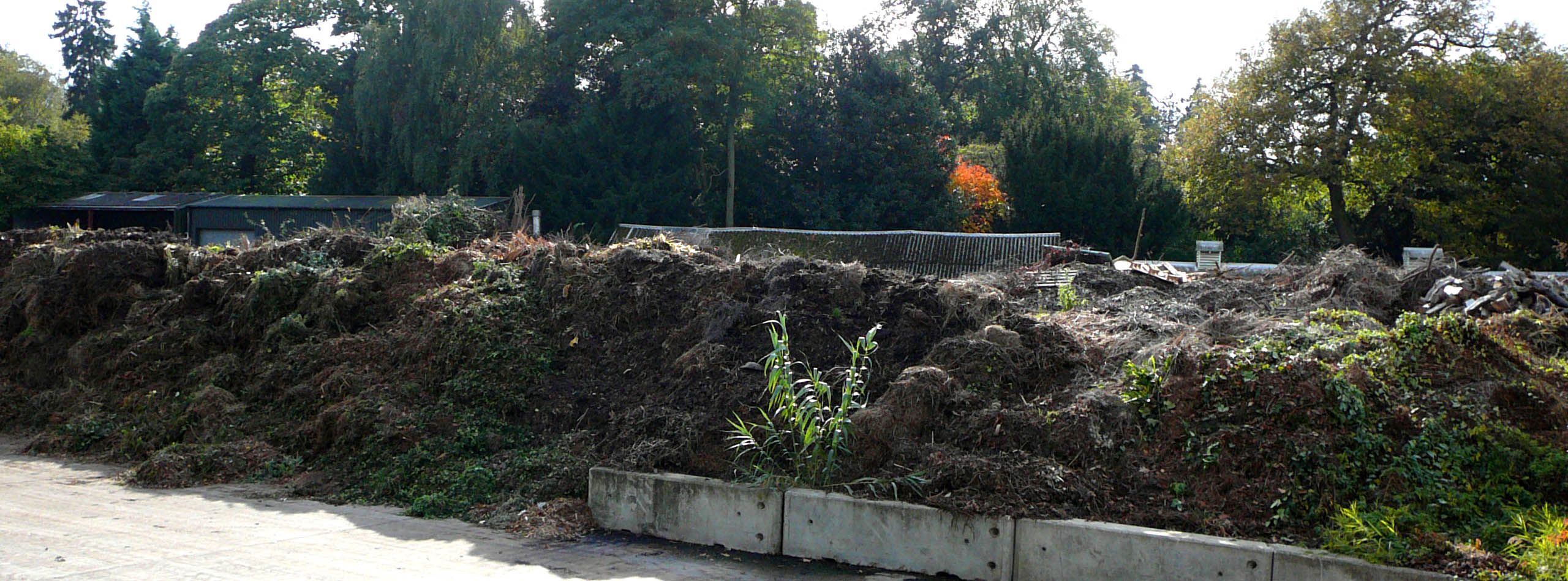
What freezing actually does to a pile
Composting is the aerobic breakdown of organic matter by microorganisms that need a balance of carbon, nitrogen, moisture, and air. As outdoor temperatures fall below about 10°C, that microbial activity slows noticeably. Once the pile reaches freezing, decomposition effectively stops until it thaws again.
This seasonal pause does no harm. In fact, the freeze–thaw cycle ruptures plant cell walls, so frozen scraps and trimmings often break down faster once warmth returns. Across the prairies and other cold regions, gardeners routinely keep adding to a pile that has frozen solid as early as November and still have usable compost the following season.
You do not need to "save" a frozen pile. Keep feeding it through winter, leave it alone, and let spring restart the process.
Browns, greens, and moisture
The working ratio for a backyard pile is roughly three parts carbon-rich "browns" to one part nitrogen-rich "greens", layered loosely so air can move through.
Browns (carbon)
- Dry autumn leaves
- Shredded cardboard and uncoated paper
- Straw and small woody trimmings
Greens (nitrogen)
- Vegetable and fruit kitchen scraps
- Fresh grass clippings
- Spent garden plants without seed heads
Moisture should feel like a wrung-out sponge — damp, never dripping. In cold weather it helps to add extra browns, because soggy material freezes into a dense block that is slow to break down. In winter, snow melting into the pile usually supplies enough moisture on its own.
A practical winter routine
The most common cold-weather approach keeps trips outdoors short:
- Keep a covered pail or bin near the kitchen door to collect scraps.
- When it fills, carry it to the main pile — even over snow.
- Tip the scraps on top and cover them with a layer of browns to manage moisture and odour.
- Do not turn or fuss over the frozen pile; leave it to rest.
Placing the pile in a sunny, sheltered, accessible spot makes this routine far easier in deep winter. Insulating the pile in autumn with straw or a thick layer of leaves can extend the active season slightly before everything freezes.
Hot pile versus cold pile
| Approach | Effort | Typical time to finish |
|---|---|---|
| Hot composting (regular turning) | Higher | Several weeks in warm season |
| Cold composting (minimal turning) | Low | Several months |
A cold pile will not reach the temperatures needed to kill weed seeds, so avoid adding weeds that have already gone to seed. For most households the low-maintenance cold method fits the seasonal rhythm well: start in spring, feed through the year, and harvest the following season.
Restarting in spring
As daytime temperatures climb back above roughly 10°C, the pile wakes up quickly. Turn it once to reintroduce oxygen, check that it is still moist, and the centre will begin to heat again within days. Applying finished compost to beds in autumn is also a sound option: it integrates into the soil over winter, and the freeze–thaw cycles help improve soil structure before spring planting.
References
- Manitoba Master Gardener Association — Composting Through the Growing Season in Manitoba.
- Saskatchewan OER Composting Toolkit — System Selection Guidance.
- Government of Ontario — Vermicasting (or vermicomposting).