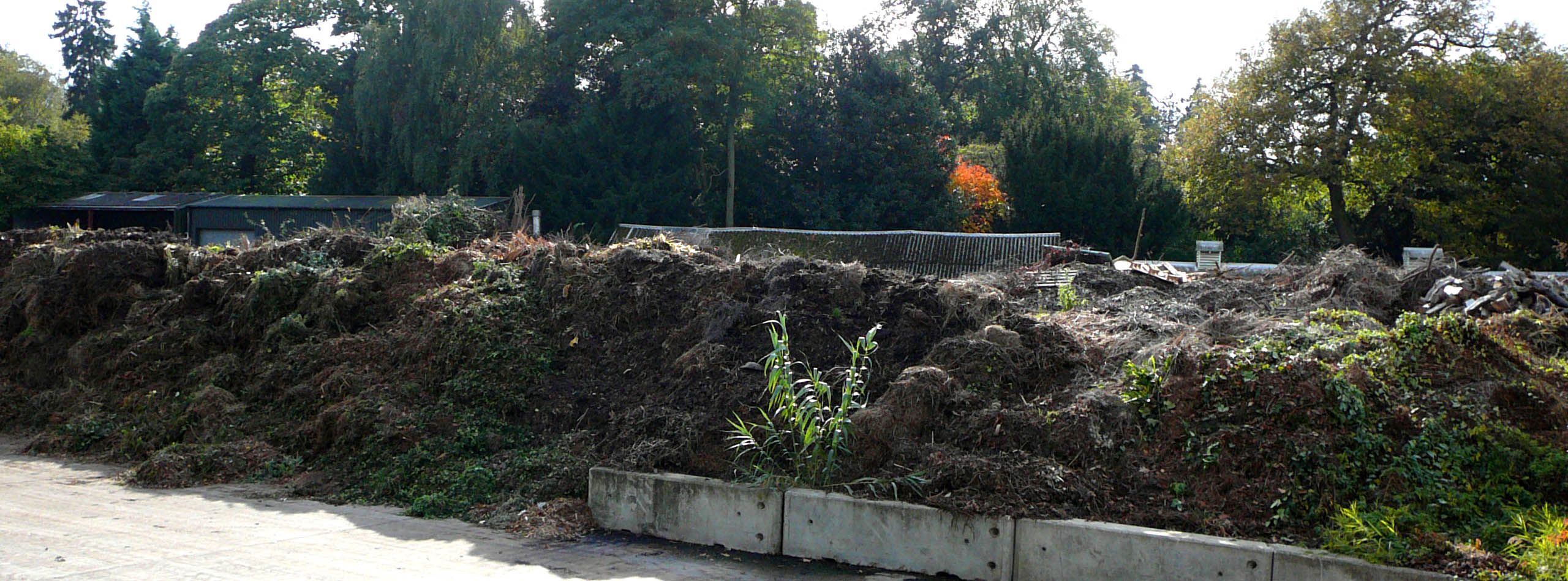
Cold-climate composting
How a backyard pile behaves when temperatures fall below 10°C, why freezing is not a problem, and how to restart it in spring.
Read the guideA reference on composting and soil enrichment methods suited to short growing seasons, freeze–thaw cycles, and the varied soils found across Canadian regions — from prairie clay to coastal acidity.
Each method below addresses a different constraint: long freezing winters, limited outdoor space, or soil that needs structural repair.
How a backyard pile behaves when temperatures fall below 10°C, why freezing is not a problem, and how to restart it in spring.
Read the guide
Processing plant scraps indoors with red wiggler worms when outdoor bins freeze, including temperature ranges and bedding.
Read the guide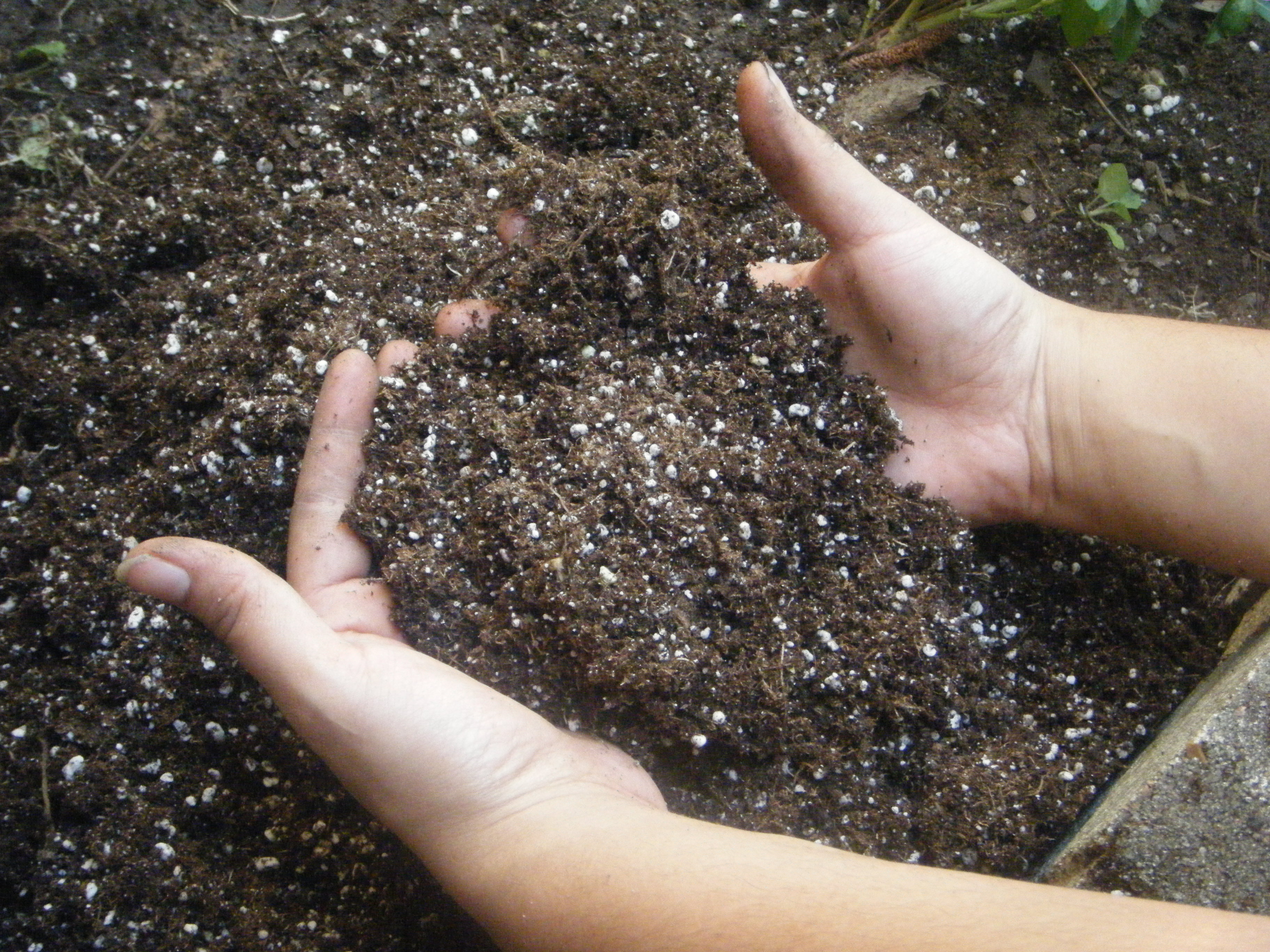
What compost does to heavy clay, sandy, and compacted soils, and how fall application uses freeze–thaw cycles to your advantage.
Read the guideIn much of Canada an outdoor pile freezes solid through winter and decomposition effectively stops. This pause is normal. Materials added during the cold months simply wait, and microbial activity resumes once the pile thaws above roughly 10°C in spring.

Send a note and we will reply by email. The form below runs entirely in your browser.
Open the contact form